Introduction to Compact Audio Mixers
Background
Audio mixers are essential tools for musicians, content creators, and sound engineers. They allow multiple audio signals—such as microphones, instruments, and playback devices—to be combined, shaped, and controlled before being sent to speakers, headphones, or recording systems. Through a mixer, users can adjust volume levels, balance signals, shape tone, and apply effects to create a clear and polished sound.
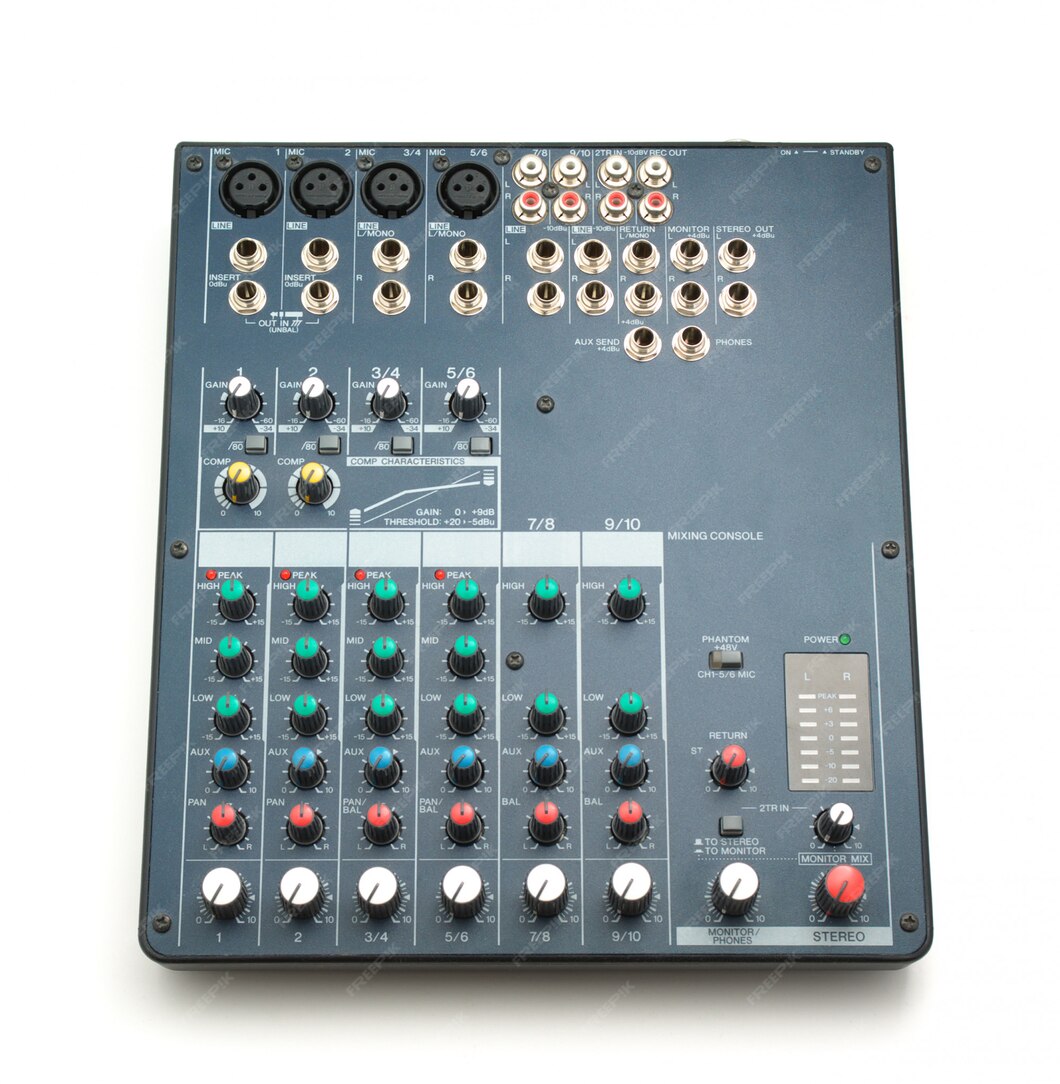
Mixers come in many shapes and sizes, each designed for different environments and workflows. While large-format mixers are powerful, they can also be expensive, heavy, and impractical for portable or small-scale setups. This is where ultra-compact audio mixers become especially valuable.
Ultra-compact audio mixers offer many of the core functions of larger mixers in a small, affordable, and portable design. They are well suited for home studios, small venues, mobile recording rigs, and on-the-go musicians. Just as importantly, compact mixers provide an excellent entry point for learning the fundamentals of hardware-based audio mixing. In this course, we will explore how ultra-compact mixers work, what features they offer, and when they are the right tool for the job.

The Role of a Mixer
At its core, a mixer’s job is to combine and manage multiple audio sources efficiently. A compact audio mixer allows users to bring together microphones, instruments, and other devices while maintaining precise control over each signal.
Mixers give users control over:
- Individual input levels
- Overall output volume
- Tonal balance and stereo placement
- Signal routing and effects
Not all mixers offer the same level of control. Some ultra-compact mixers provide only the essentials—basic level control and output mixing—while others include EQ, panning, and effects routing. Learning to work within these limitations encourages creativity and resourcefulness, which are valuable skills for any audio engineer. Understanding how to make the most of limited controls often leads to stronger foundational mixing knowledge.

Common Features of Ultra-Compact Audio Mixers
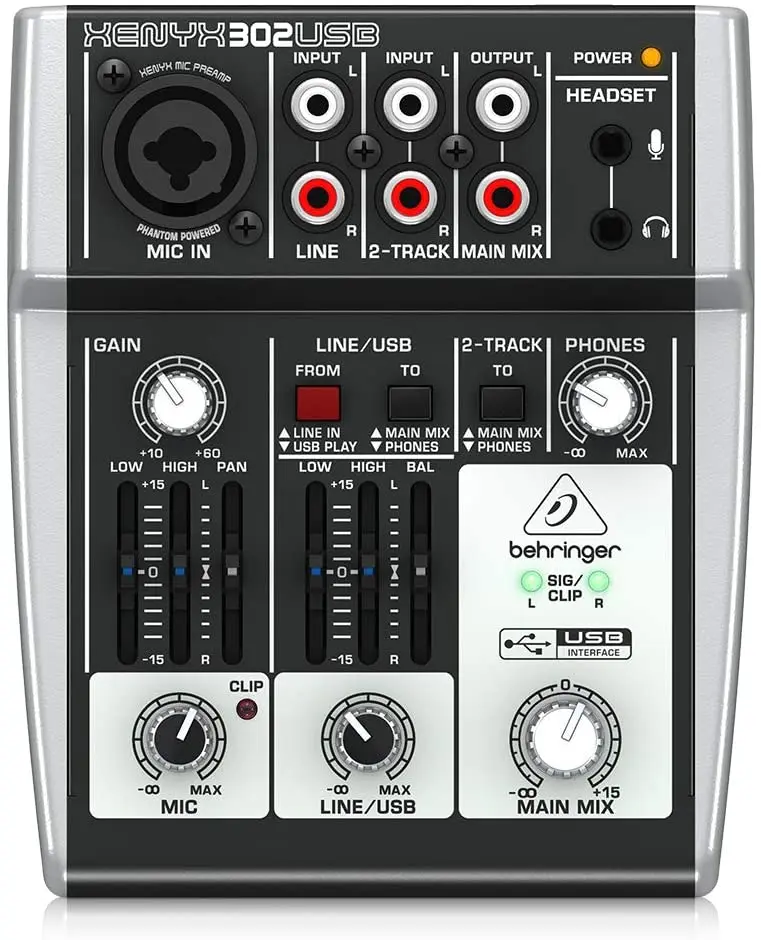
Even the smallest mixers typically share a set of core features. At a minimum, most compact mixers include:
Stereo output connections for speakers, amplifiers, or recording devices
Multiple input connections to accept microphones, instruments, or line-level sources
Individual level controls for each input
Many mixers also include a Master Volume control that sets the final output level—though some minimalist designs omit this in favor of fixed output levels.
Standard Processors
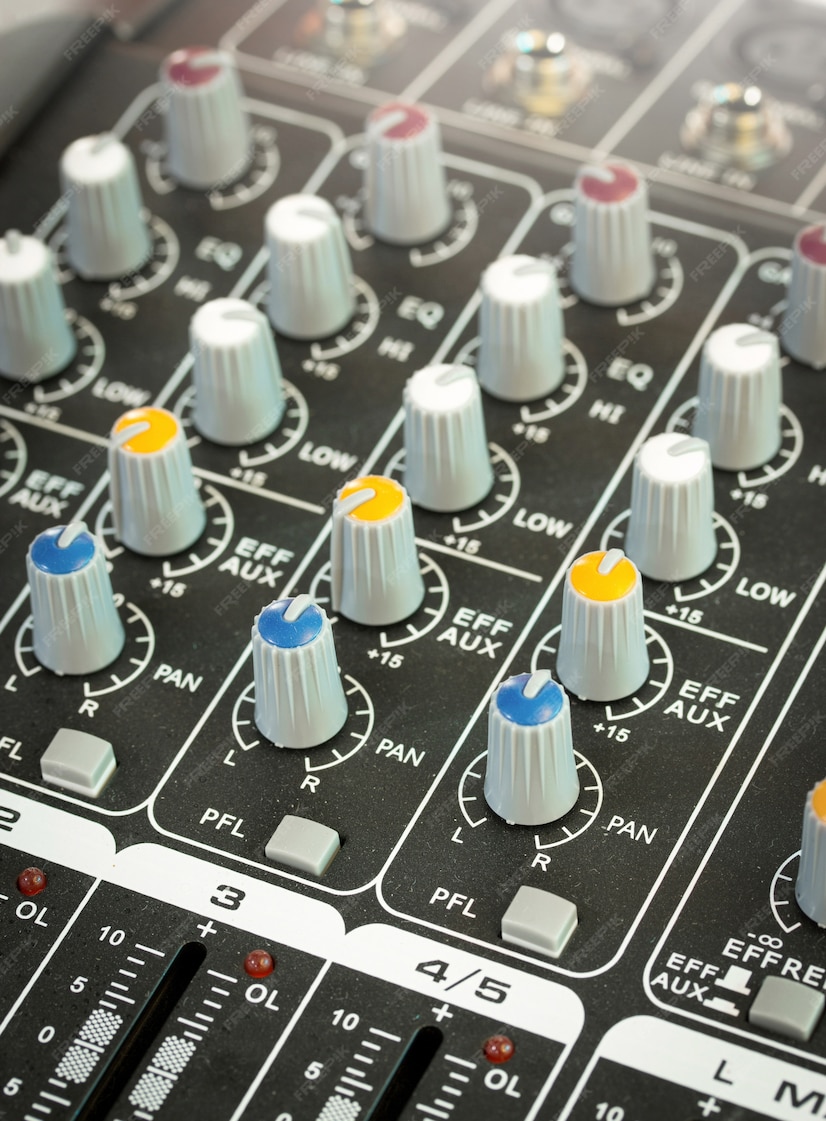
Depending on the model, ultra-compact mixers may include:
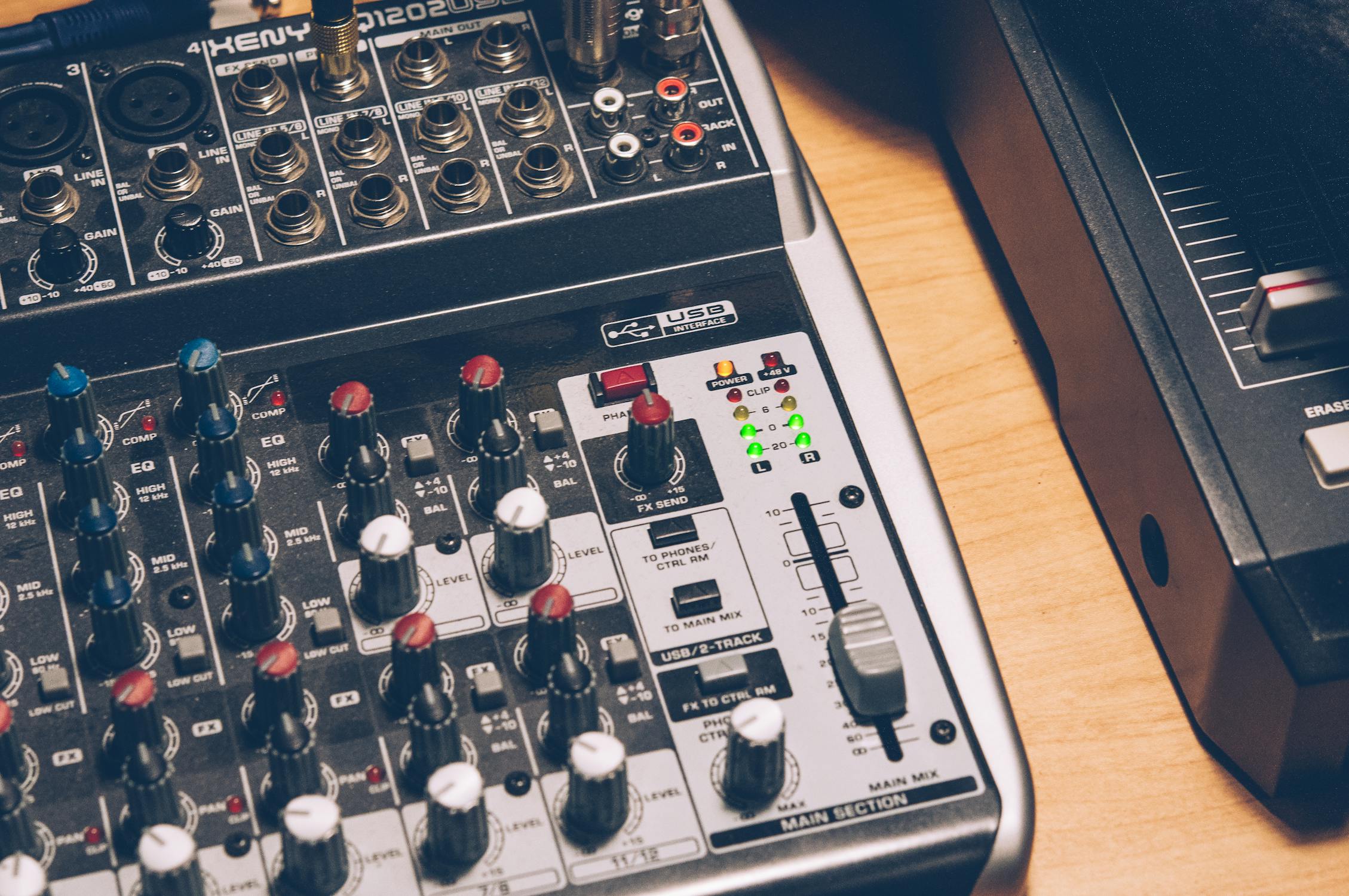
- Gain stages for optimizing input signal strength
- EQ (Equalization) for shaping tone
- Pan controls for stereo positioning
- FX sends for routing signals to external or internal effects
Common Connector Types:
- Microphone (XLR or combo inputs)
- ¼-inch line-level inputs
- RCA connectors for consumer audio devices
Despite their limited size, compact mixers are capable of teaching nearly all fundamental mixing concepts. In fact, many manufacturers now pack advanced features into smaller designs to meet the growing demand for portable yet powerful audio tools.
Applications of Compact Audio Mixers
Ultra-compact mixers are useful in any situation where multiple audio sources must be combined in a limited space. Their portability and simplicity make them ideal for personal, professional, and public environments.
Music Studios
In home and project studios, ultra-compact mixers provide straightforward control for recording vocals, guitars, keyboards, or other instruments without occupying valuable desk space. While they may not always serve as the main studio hub, most studios benefit from having a compact mixer available to group devices, manage monitoring, or handle auxiliary signals.
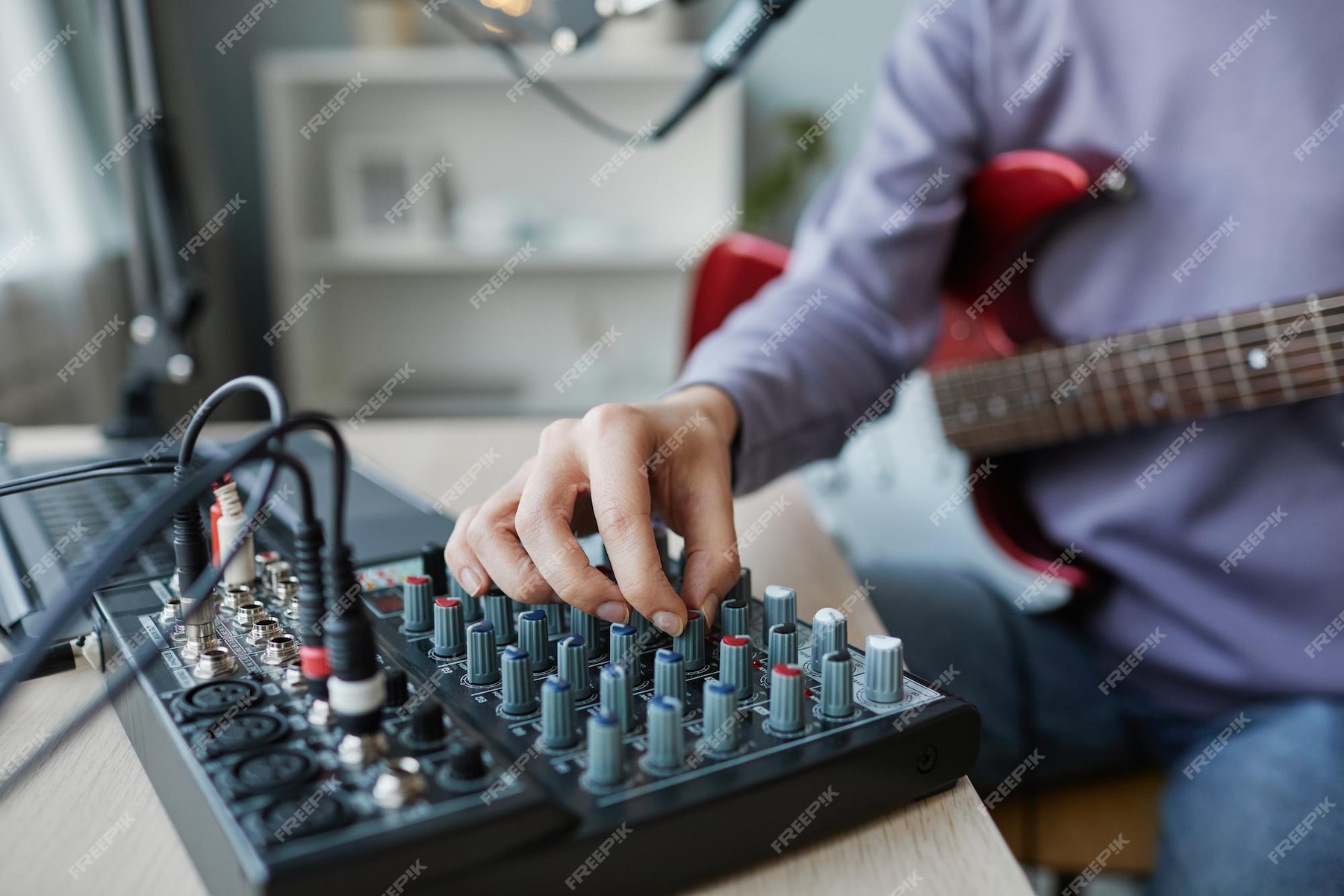
Electronic music producers often rely on compact mixers to manage collections of synthesizers, drum machines, and effects units. A mixer allows these devices to be blended into a single, cohesive signal before recording or performance.

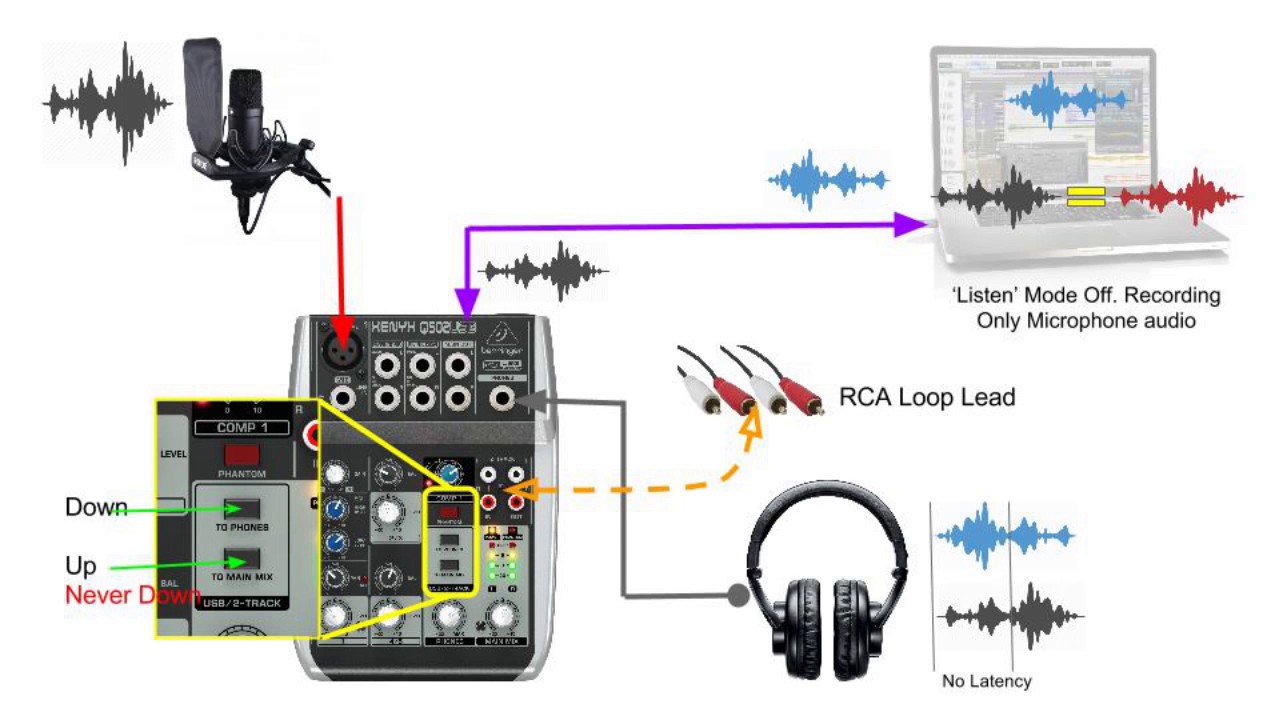
Many compact mixers also include USB connectivity, enabling direct recording into a computer or digital audio workstation (DAW). This simplifies the recording process and provides additional flexibility for editing and post-production.
Podcasting & Live Streaming
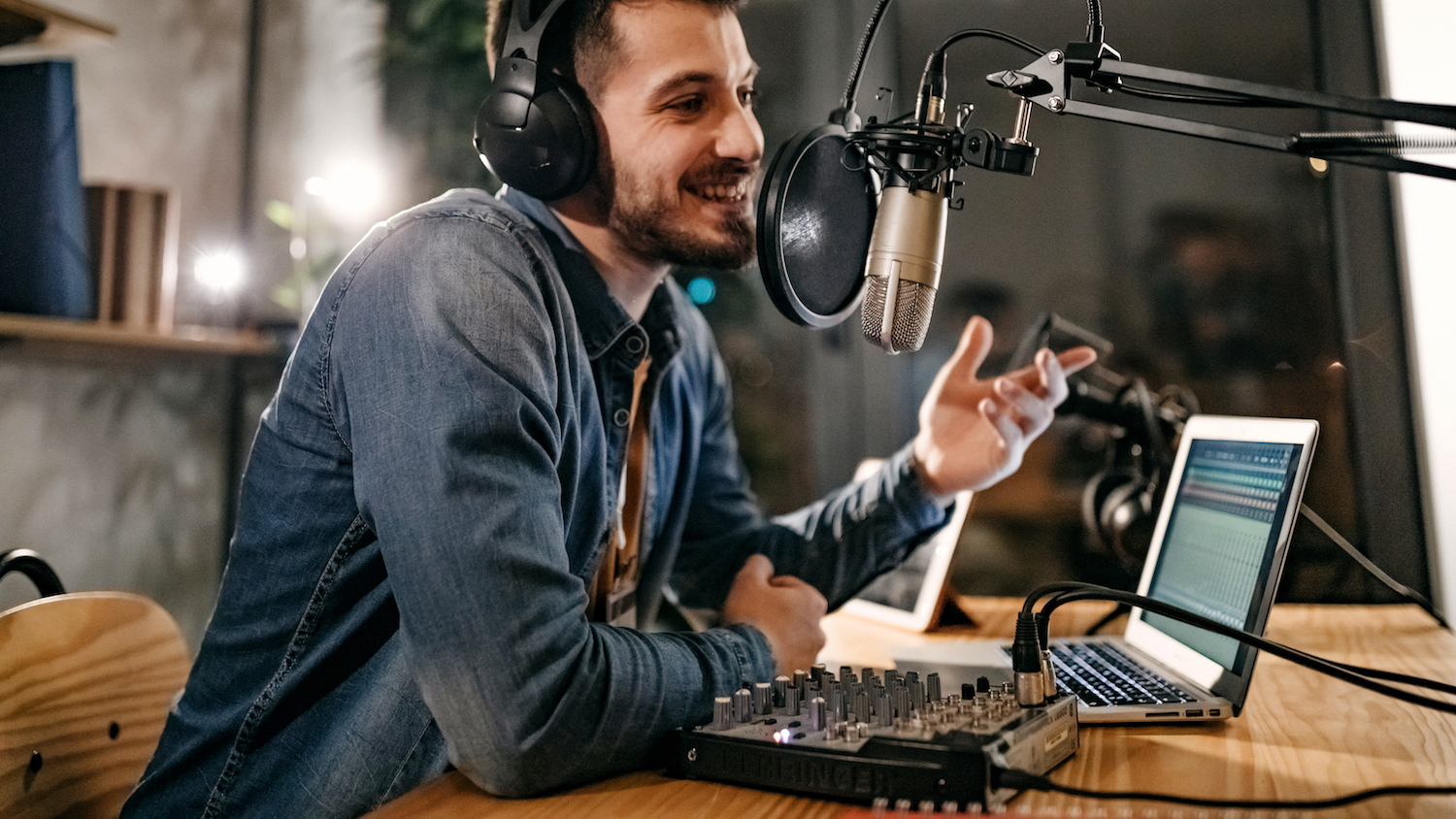
Ultra-compact mixers are popular among podcasters and streamers who need to manage multiple audio sources such as microphones, music playback, and sound effects. Basic EQ and level controls help improve clarity and consistency, while the hands-on interface allows creators to adjust their sound in real time. For many users, having physical controls enhances focus and immersion during recording or broadcasting.
Live Performances
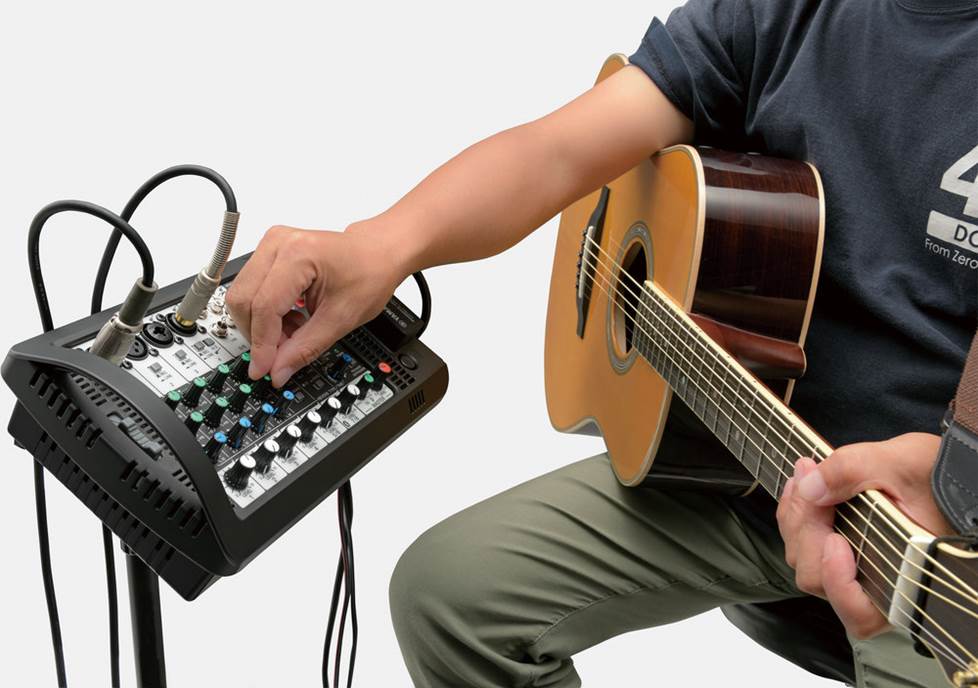
For live performances, compact mixers offer a balance of portability and functionality. They are easy to transport, quick to set up, and simple to operate—making them ideal for solo performers, duos, and small bands. Compact mixers allow performers to manage multiple inputs while maintaining control over the overall mix in dynamic live environments.
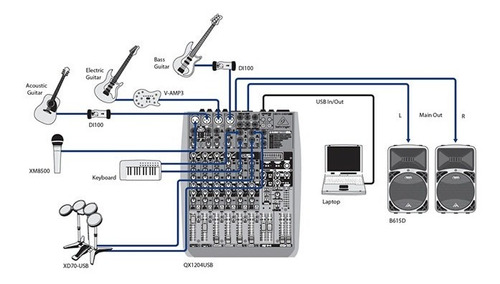
Businesses & Small Venues
Small venues such as coffee shops, bars, classrooms, and house-show spaces often rely on ultra-compact mixers for everyday sound needs. These mixers are frequently installed discreetly on walls or shelves, out of sight from patrons. Their intuitive design allows staff with minimal audio experience to operate them confidently while still achieving reliable sound quality.

Choosing the Right Ultra-Compact Audio Mixer
When selecting an ultra-compact audio mixer, consider the following factors:
- Number of Inputs – Ensure the mixer can accommodate all required audio sources
- EQ and Effects – Decide which tonal shaping or effects options are necessary
- Outputs – Choose a mixer with the correct output connections for your setup
- Portability – Look for a lightweight, durable design suitable for frequent transport
Choosing the right mixer depends on both current needs and potential future use.

Conclusion
Ultra-compact audio mixers are versatile, affordable, and powerful tools for anyone working with sound. They enable users to combine multiple audio sources into a single, controlled output and are used across a wide range of applications—from recording and live performance to podcasting and small-venue sound.
By understanding their features and limitations, users can develop strong mixing fundamentals while benefiting from the convenience of a portable design. Whether you are learning audio for the first time or supporting a compact setup, ultra-compact audio mixers remain an essential part of modern audio workflows.