Setting Levels on Compact Mixers
An ultra-compact audio mixer is a powerful tool for combining multiple audio sources into a single output. In this lesson, you’ll learn the fundamentals of setting up and using a compact mixer to achieve clean, balanced sound from microphones, instruments, and other audio sources.

Gather your equipment
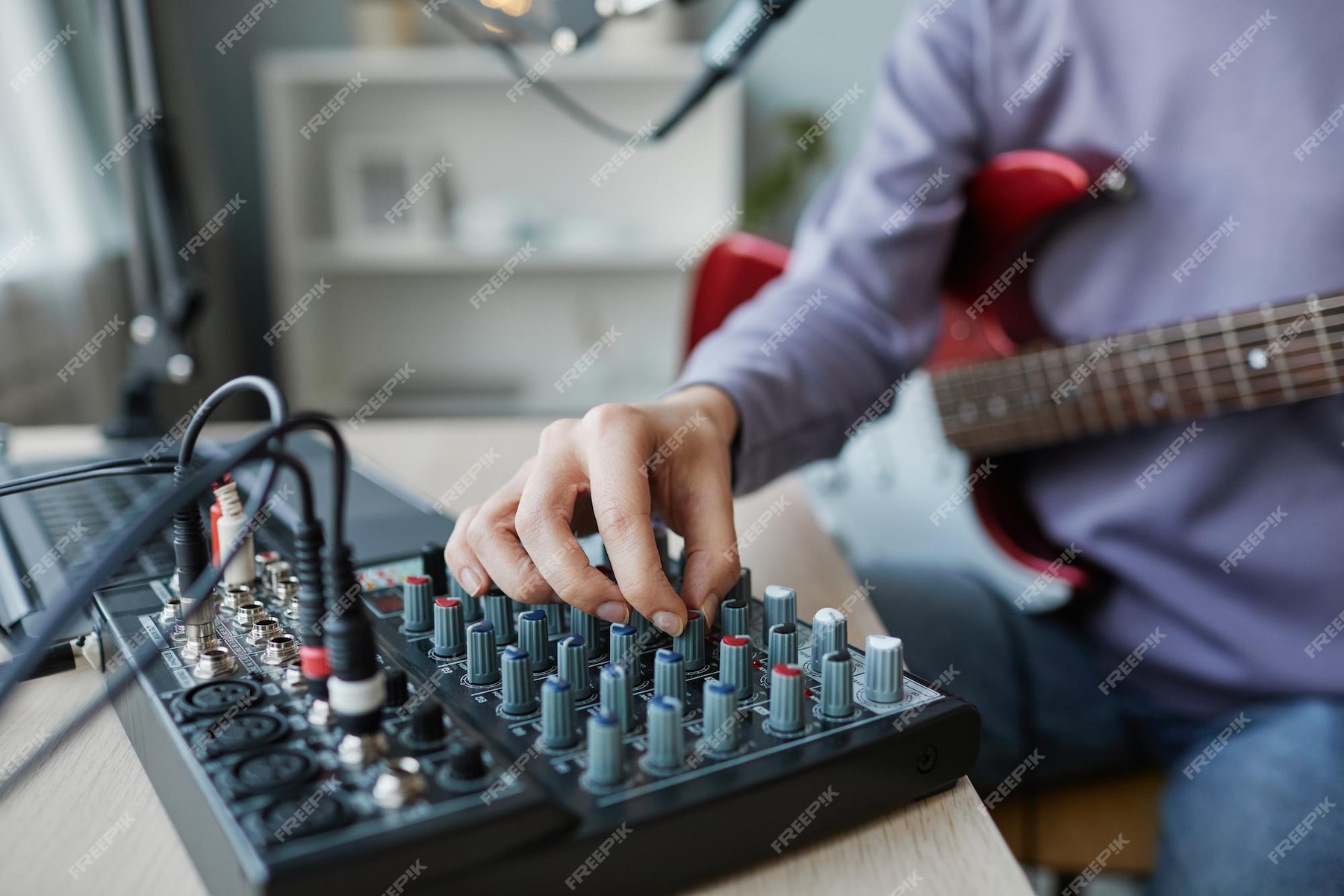
To begin, you’ll need an ultra-compact audio mixer and the audio devices you plan to connect. Common sources include microphones, musical instruments, media players, or computers. Make sure you also have the appropriate cables for each connection.

Connect your sources
Next, connect your audio sources to the mixer. Most compact mixers provide several input types, such as XLR, ¼-inch (TRS/TS), and RCA inputs.
Use the correct input for each source:
- Microphones should be connected to XLR inputs
- Instruments often use ¼-inch inputs
- Consumer devices may use RCA inputs
Using the correct input ensures proper signal level and prevents distortion or noise.


Set your levels
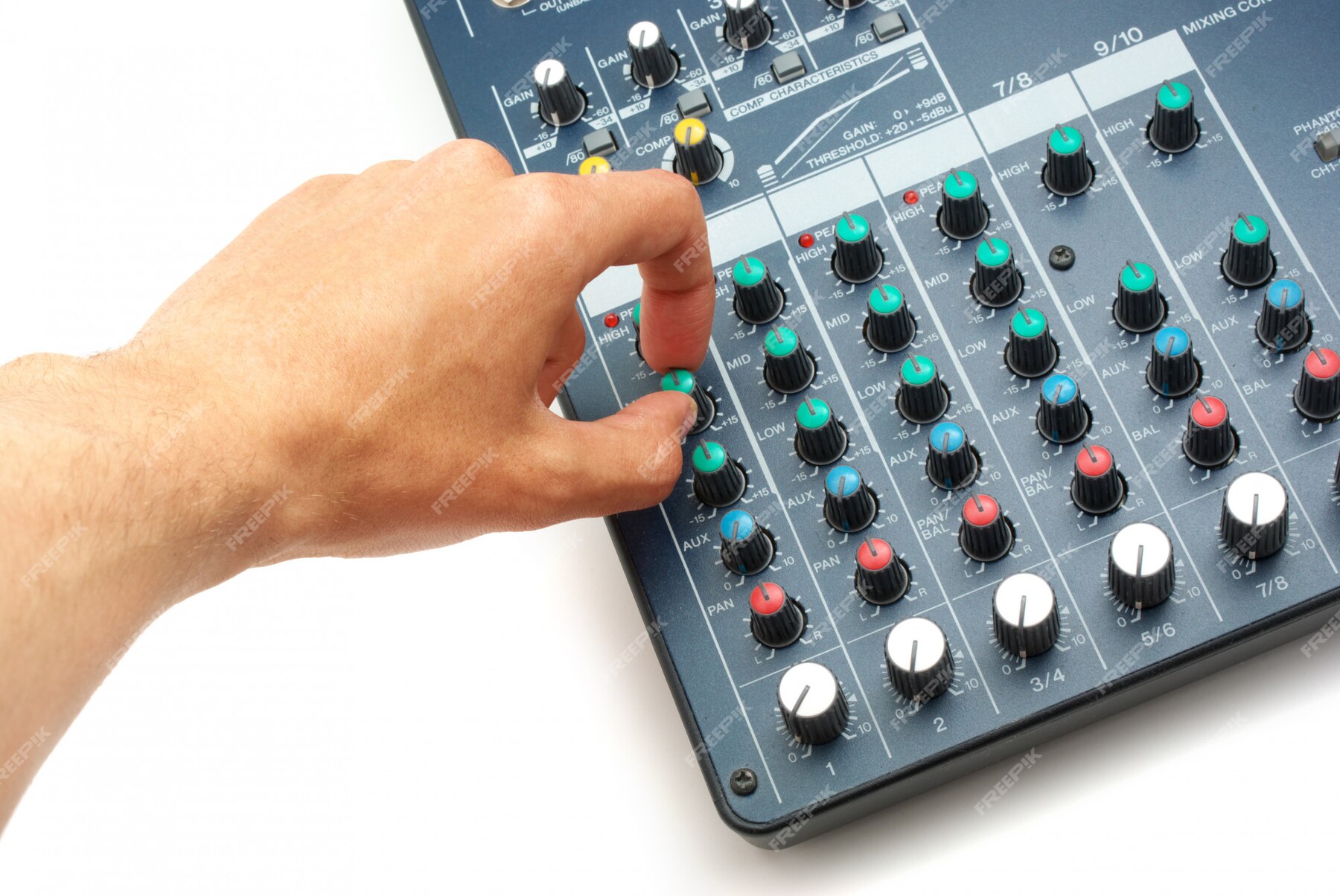
Once all sources are connected, it’s time to set your levels. Proper gain staging ensures your signal is strong, clean, and free of distortion.
Basic Gain-Staging Steps
- Raise the input gain until the signal is clearly audible without clipping
- Adjust the channel output level to balance it with other sources
- Raise the master volume to control the overall output level
Take your time with this step—good level setting is the foundation of great sound.


Check your output
After setting your levels, confirm that audio is reaching the correct destination, such as speakers, headphones, or a recording device. If you don’t hear sound:
- Recheck cable connections
- Confirm the correct output is being used
- Verify that channel mutes and master volume are enabled


Adjust your tone
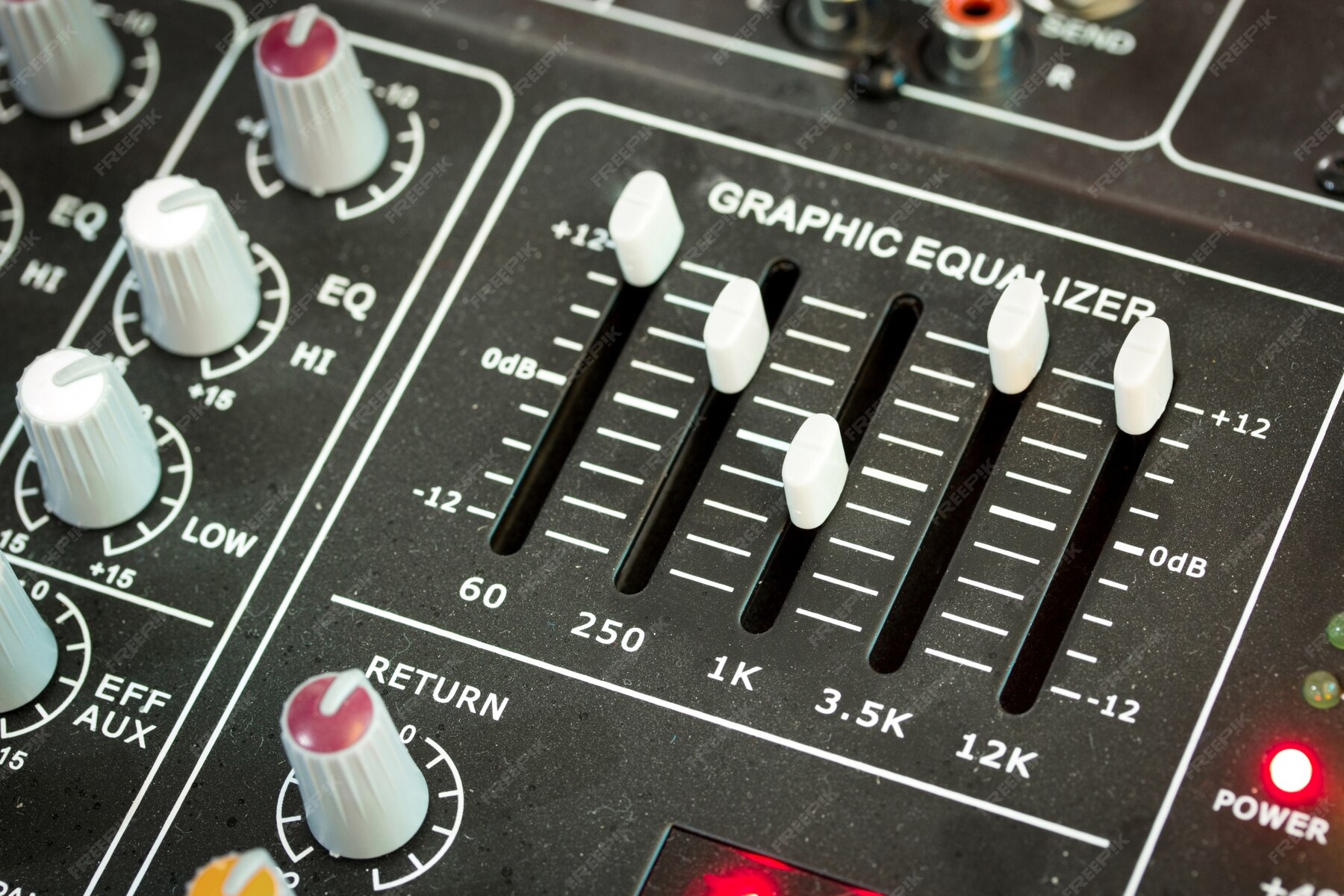
If your mixer includes tone controls or EQ, use them to shape your sound. EQ allows you to balance frequencies and improve clarity.
Be sure to distinguish between:
- Channel EQ (affects individual inputs)
- Main or master EQ (affects the final output mix)
Adjusting channel EQ first usually provides the most precise control.
Practice and experiment
The best way to learn a mixer is through hands-on experimentation. Try different source combinations, adjust levels and EQ, and listen carefully to the results. With practice, you’ll develop confidence and consistency in your mixes.
Conclusion
Ultra-compact audio mixers offer a simple and effective way to manage multiple audio sources. By connecting inputs correctly, setting proper levels, shaping tone thoughtfully, and practicing regularly, you can achieve clean, professional-sounding results in any audio setup.
